


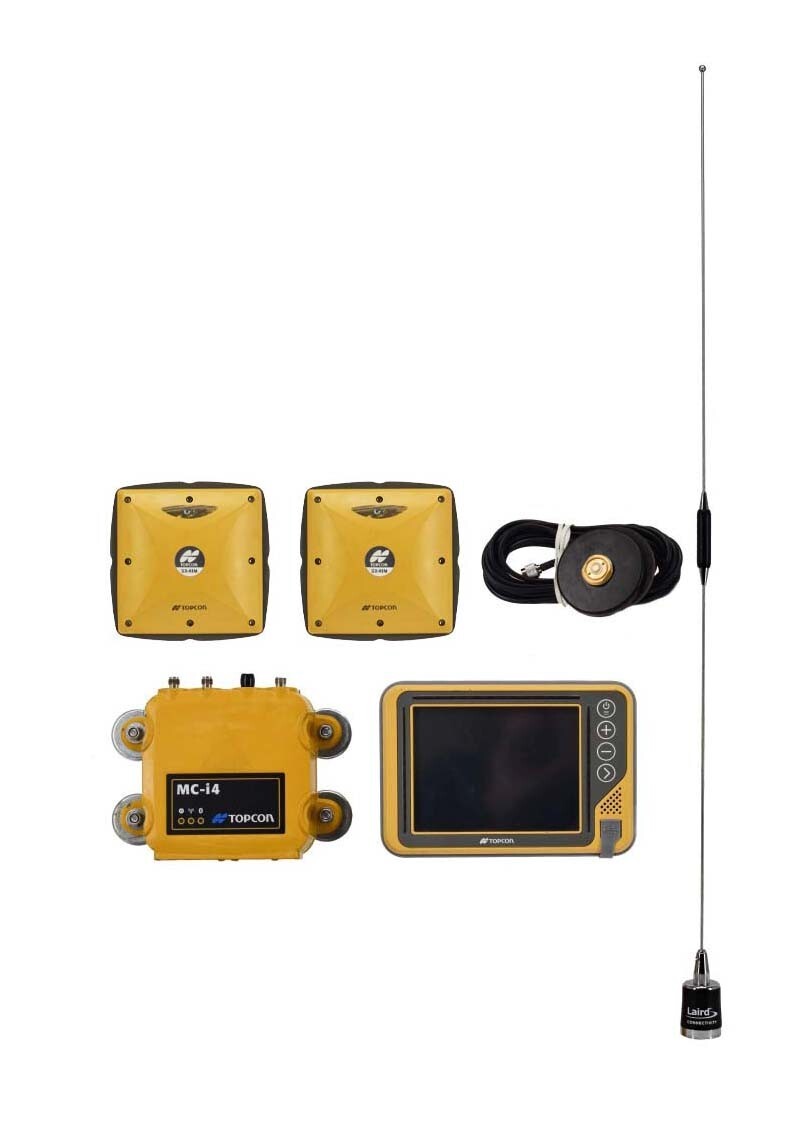
Adopting gps machine control technology on construction sites is revolutionizing how projects are managed, improving precision, efficiency, and safety. However, the success of this technology hinges on how well your crew is trained. Training your crew: best practices for adopting GPS machine control on site is essential to maximize the benefits of this advanced system.
Understanding the Importance of Proper Training
GPS machine control systems allow operators to work with precise location data, reducing errors and enhancing productivity. Without proper training, crews may struggle to utilize the technology effectively, leading to mistakes and delays. Therefore, investing time and resources into training your crew: best practices for adopting GPS machine control on site ensures that everyone is confident and capable in handling the equipment.
Key Best Practices for Training Your Crew
1. Start with Comprehensive Classroom Training
Before getting hands-on, crews should receive thorough classroom training that covers the fundamentals of GPS machine control. This includes understanding how the system works, the interface, and common troubleshooting techniques. This foundational knowledge prepares the crew to better absorb practical training on site.
2. Hands-On On-Site Training
The most effective training happens on the job. After classroom sessions, operators should spend time with the GPS machine control systems directly on the site. This practical experience helps them understand how to apply theoretical knowledge in real-world scenarios, improving their proficiency and confidence.
3. Utilize Experienced Trainers and Mentors
Having experienced trainers or mentors on site accelerates the learning curve. They can provide immediate feedback, answer questions, and help troubleshoot problems in real-time. This peer learning approach reinforces skills and encourages best practices.
4. Emphasize Safety and Communication
Training should also focus on safety protocols when working with GPS machine control systems, especially since these often involve heavy machinery. Clear communication among team members ensures that everyone is aware of operational status and potential hazards.
5. Continuous Learning and Updates
Technology evolves quickly, so ongoing training is crucial. Regular refresher courses and updates on software or hardware improvements keep your crew skilled and ready to leverage the latest features.
Benefits of Effective Crew Training on GPS Machine Control Adoption
When you follow best practices in training your crew: best practices for adopting GPS machine control on site, your project gains significant advantages. These include:
- Improved accuracy and reduced rework
- Faster project completion times
- Increased operator confidence and productivity
- Enhanced site safety and reduced accidents
Conclusion
Embracing GPS machine control technology can transform your construction site operations, but the key lies in how well your team is prepared. Prioritizing training your crew: best practices for adopting GPS machine control on site ensures your investment pays off through smoother, safer, and more efficient project execution. By combining classroom instruction, hands-on practice, expert mentorship, and ongoing learning, your crew will be ready to take full advantage of this powerful technology.
