


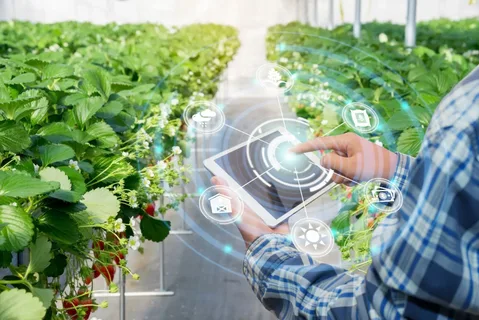
Agriculture has always been a cornerstone of the global economy, but with the increasing demand for sustainable and efficient farming, smart agriculture technologies are transforming the industry. These technologies, which include precision farming, IoT sensors, drones, and AI-driven data analytics, are reshaping how farmers manage crops, livestock, and resources. Understanding the economic impact of smart agriculture technologies is essential for policymakers, investors, and farmers alike.
What Are Smart Agriculture Technologies?
Smart agriculture technologies refer to the integration of advanced digital tools and machinery into farming practices. Examples include:
- Precision Agriculture: Using GPS and data analytics to optimize planting, watering, and fertilization.
- IoT Sensors: Monitoring soil moisture, nutrient levels, and crop health in real-time.
- Drones and Robotics: Automating tasks such as planting, spraying, and harvesting.
- Artificial Intelligence: Predicting crop yields, detecting diseases, and improving supply chain management.
These technologies aim to increase efficiency, reduce waste, and improve overall productivity.
Boosting Farm Productivity and Revenue
One of the primary ways smart agriculture technologies impact the economy is by boosting farm productivity. By leveraging data-driven insights, farmers can make informed decisions that minimize resource wastage and increase crop yields. For example, precision irrigation ensures water is only used where necessary, cutting costs while protecting the environment. Similarly, AI-driven pest detection reduces crop loss, directly contributing to higher profits.
Farmers adopting smart technologies often see a significant increase in revenue, which not only benefits individual farmers but also strengthens local and national economies.
Cost Savings and Resource Optimization
Another critical aspect of the economic impact of smart agriculture technologies is cost savings. Traditional farming methods often involve overuse of fertilizers, water, and labor. Smart agriculture tools allow farmers to optimize these resources efficiently, reducing operational costs.
For instance, automated machinery can perform repetitive tasks faster and with fewer errors, lowering labor costs. IoT-enabled monitoring systems prevent excessive use of chemicals and water, translating into direct financial savings for farmers and a more sustainable agricultural ecosystem.
Stimulating Economic Growth Beyond Farms
The influence of smart agriculture technologies extends beyond the farm. Increased productivity and cost savings can stimulate related industries, including food processing, logistics, and retail. Additionally, the demand for smart agricultural solutions drives technological innovation, creating new jobs in software development, engineering, and data analytics.
By fostering a technologically advanced agricultural sector, countries can enhance food security, increase export potential, and promote rural economic development.
Challenges and Considerations
Despite the clear benefits, the economic impact of smart agriculture technologies is not without challenges. High initial investment costs, lack of technical expertise, and infrastructure limitations can hinder adoption, particularly in developing regions. Governments and private institutions play a crucial role in providing financial support, training, and digital infrastructure to ensure widespread implementation.
Conclusion
The economic impact of smart agriculture technologies is profound, influencing productivity, cost efficiency, and broader economic growth. As adoption rates increase, these technologies are poised to revolutionize agriculture, ensuring sustainable food production and stronger economic resilience. Farmers, policymakers, and businesses that embrace these innovations will likely reap the financial and social benefits for years to come.
