


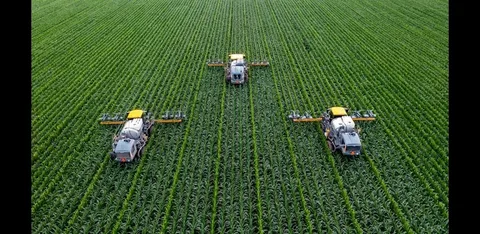
In recent years, farming has experienced a profound transformation. As technology continues to advance, traditional smart agriculture practices are being supplemented—and in some cases, replaced—by data-driven approaches that offer unprecedented levels of efficiency and precision. “Growing Smarter” is no longer just a catchphrase; it’s a reality that is reshaping the way food is produced around the globe. This article explores how data-driven decisions are revolutionizing agriculture and paving the way for a more sustainable, efficient, and productive future.
The Rise of Data-Driven Farming
From Tradition to Technology
Agriculture has always been a cornerstone of human civilization, but the methods used to grow food have remained relatively static for centuries. Until recently, farmers relied heavily on intuition, experience, and basic tools to guide their decisions. While these approaches have worked for generations, they have also limited the potential for growth and improvement.
The introduction of advanced technology—such as sensors, drones, satellite imagery, and AI-powered analytics—has ushered in a new era of farming. With the ability to collect vast amounts of data in real time, farmers can now make more informed decisions that go beyond guesswork. The process of “Growing Smarter” involves using these insights to optimize everything from irrigation to planting schedules to crop rotation strategies.
The Role of Big Data in Agriculture
Precision Farming: The Heart of Data-Driven Decisions
One of the primary ways data is being used to revolutionize farming is through precision agriculture. This approach leverages technologies such as GPS, IoT devices, and remote sensing to monitor and manage crops with a level of precision that was once unimaginable.
By analyzing data on soil health, weather patterns, and crop conditions, farmers can make highly targeted decisions that lead to increased yields and reduced waste. For instance, sensors in the soil can measure moisture levels, allowing farmers to irrigate only when necessary. This not only conserves water but also reduces energy costs and minimizes the environmental impact of farming.
Similarly, drones equipped with cameras and sensors can provide real-time data on crop health, detecting early signs of disease or pest infestation. This enables farmers to take timely action, preventing the spread of problems that could lead to significant crop loss.
Predictive Analytics: A Glimpse Into the Future
Another significant advantage of data-driven farming is the ability to predict future trends and challenges. Through the use of predictive analytics, farmers can analyze historical data, current environmental conditions, and even market trends to forecast future crop performance. This allows for better planning and preparation, helping farmers mitigate risks and optimize their operations.
For example, predictive models can anticipate weather patterns and provide insights into the best times to plant or harvest crops. This level of foresight can lead to higher crop yields and more efficient resource use, all while reducing the likelihood of unexpected losses.
Sustainability Through Smart Farming
Reducing Environmental Impact
One of the most compelling aspects of “Growing Smarter” is its potential to drive sustainability in farming. Traditional agricultural practices, while effective, often come with environmental costs—such as overuse of water, excessive pesticide application, and soil degradation. However, data-driven approaches help farmers make more sustainable choices by minimizing waste, conserving resources, and reducing chemical inputs.
For example, precision irrigation systems, powered by real-time data on soil moisture and weather forecasts, allow farmers to water their crops more efficiently. This not only conserves water but also ensures that crops receive the right amount of hydration, leading to healthier plants and higher yields.
Furthermore, data can help farmers optimize the use of fertilizers and pesticides. By using sensors and analytics to monitor crop health and nutrient levels, farmers can apply these chemicals only when necessary, reducing the risk of runoff and contamination of surrounding ecosystems.
Promoting Biodiversity and Soil Health
Smart farming practices also contribute to preserving biodiversity and improving soil health. By analyzing data on soil composition and nutrient levels, farmers can tailor their practices to maintain the balance of microorganisms in the soil, which is essential for long-term agricultural sustainability.
Crop rotation and cover cropping, which are part of precision farming, not only improve soil fertility but also help reduce pest populations and control weeds, further reducing the need for chemical interventions.
Economic Benefits of Data-Driven Farming
Lower Costs and Higher Profits
The economic impact of “Growing Smarter” is also significant. Data-driven farming helps farmers reduce operational costs by optimizing resources, increasing crop yields, and minimizing waste. The ability to make precise, informed decisions about planting, irrigation, fertilization, and harvesting translates into higher productivity and reduced overhead.
Moreover, by using data to predict market trends, farmers can plan better and make more informed decisions about when and where to sell their produce, potentially leading to higher profits. For example, knowing when market demand for certain crops is at its peak can help farmers time their harvests to maximize income.
Democratizing Agriculture
Interestingly, the rise of data-driven farming isn’t just benefiting large, industrial farms. Small and medium-sized farms are also gaining access to technologies that were once out of reach. With cloud-based platforms, affordable sensors, and user-friendly software, even smallholder farmers can leverage the power of data to make smarter decisions. This democratization of technology helps level the playing field and supports sustainable agricultural practices on a global scale.
Challenges and the Future of Data-Driven Agriculture
Addressing Data Accessibility and Integration
Despite its many advantages, data-driven farming does face some challenges. One of the biggest hurdles is data accessibility. In many parts of the world, especially in developing countries, farmers may not have access to the technology or infrastructure needed to collect and analyze data effectively. To overcome this, organizations are working to provide low-cost solutions and better connectivity, ensuring that data-driven farming can be adopted globally.
Another challenge lies in integrating the various technologies involved. For example, farmers may use different platforms for soil sensors, weather data, and crop management, which can lead to siloed data that is difficult to interpret. Streamlining these systems and creating more interoperable solutions will be key to fully unlocking the potential of data-driven farming.
The Future of Smart Farming
Looking ahead, the future of agriculture is undeniably intertwined with technology. As AI, machine learning, and robotics continue to evolve, the ability to make more accurate predictions, automate tasks, and optimize farming practices will become even more refined. “Growing Smarter” will be the norm, not the exception, and it will lead to a more sustainable, efficient, and profitable agricultural sector.
Conclusion
In conclusion, data-driven decisions are changing farming in profound ways. By embracing new technologies and analyzing data to make smarter decisions, farmers can improve crop yields, reduce environmental impacts, and drive economic growth.
