


Introduction
Modern agriculture is rapidly evolving, and Increasing Farm Efficiency Through precision farming gnss has become a key focus for farmers aiming to improve productivity while reducing waste. GNSS (Global Navigation Satellite Systems) technology enables highly accurate positioning, allowing farmers to manage land, crops, and machinery with precision that was previously impossible.
In this article, we explore how Increasing Farm Efficiency Through Precision Farming GNSS is transforming agricultural practices and driving smarter, data-based farming decisions.
What Is Precision Farming GNSS?
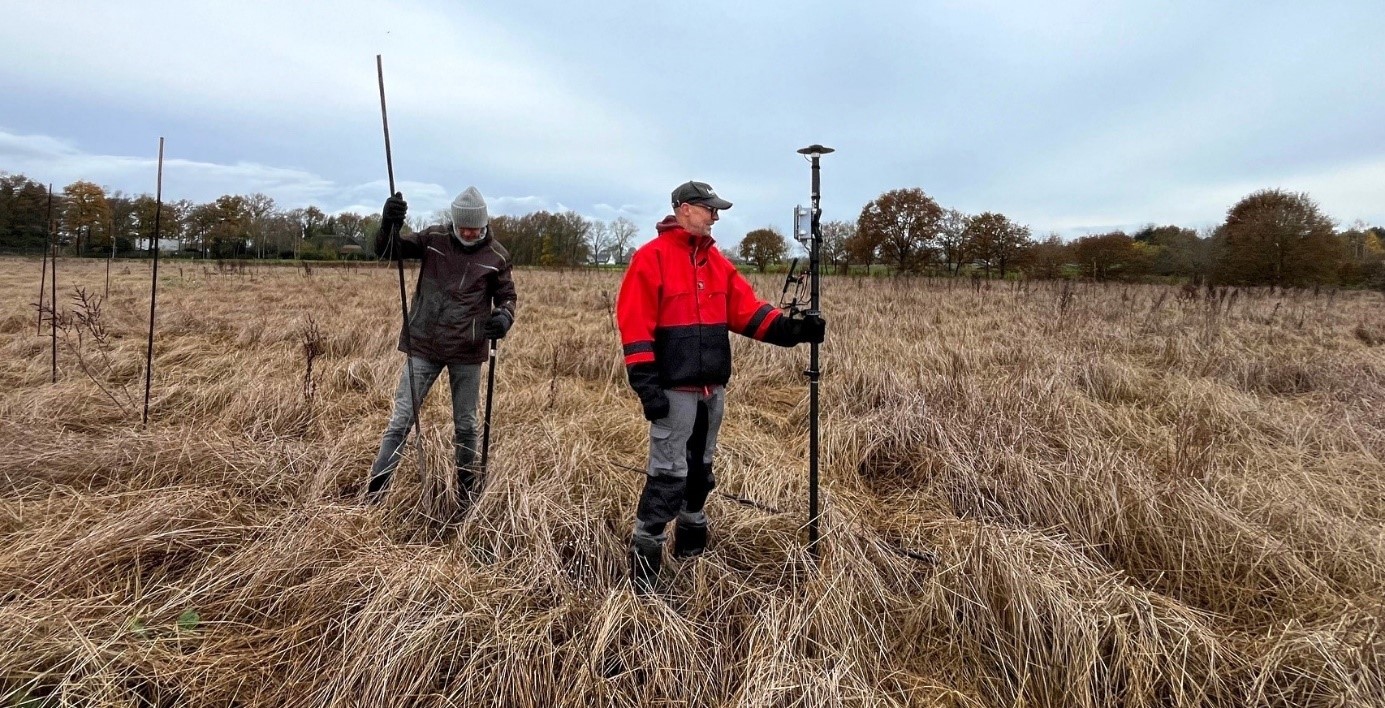
Precision farming GNSS refers to the use of satellite-based navigation systems to guide agricultural equipment and map farmland with centimeter-level accuracy. This technology supports tasks such as planting, irrigation, fertilization, and harvesting with minimal overlap or gaps.
By integrating GNSS data with farm management systems, farmers can optimize every square meter of land.
How GNSS Improves Farm Efficiency
Accurate Field Mapping
One of the primary benefits of Increasing Farm Efficiency Through Precision Farming GNSS is precise field mapping. Farmers can create detailed digital maps of their land, identifying soil variations, crop health zones, and irrigation needs.
Reduced Input Waste
GNSS-guided machinery ensures seeds, fertilizers, and pesticides are applied exactly where needed. This reduces unnecessary usage and significantly lowers operational costs.
Better Machine Guidance
Tractors and harvesters equipped with GNSS can follow exact paths, minimizing overlaps and missed areas. This improves fuel efficiency and reduces soil compaction.
Benefits for Modern Agriculture
Higher Crop Yields
With better resource allocation, farmers can improve soil health and increase crop yields over time.
Time and Labor Savings
Automation through GNSS reduces manual work, allowing farmers to focus on strategic decisions rather than repetitive tasks.
Environmental Sustainability
Another major advantage of Increasing Farm Efficiency Through Precision Farming GNSS is its contribution to sustainable farming. Reduced chemical usage and optimized irrigation help preserve natural resources.
Challenges in Adoption
Despite its benefits, some farmers face challenges such as high initial investment costs, technical training requirements, and system maintenance. However, long-term gains often outweigh these initial barriers.
The Future of GNSS in Agriculture
As technology advances, GNSS systems are becoming more affordable and integrated with AI and IoT solutions. This will further enhance farm automation and decision-making accuracy.
Ultimately, Increasing Farm Efficiency Through Precision Farming GNSS will continue to play a central role in shaping the future of global agriculture.
Conclusion
Precision farming powered by GNSS is revolutionizing the agricultural industry. From reducing costs to improving sustainability, it offers a comprehensive solution for modern farming challenges. Embracing Increasing Farm Efficiency Through Precision Farming GNSS allows farmers to achieve higher productivity while protecting natural resources for future generations.
